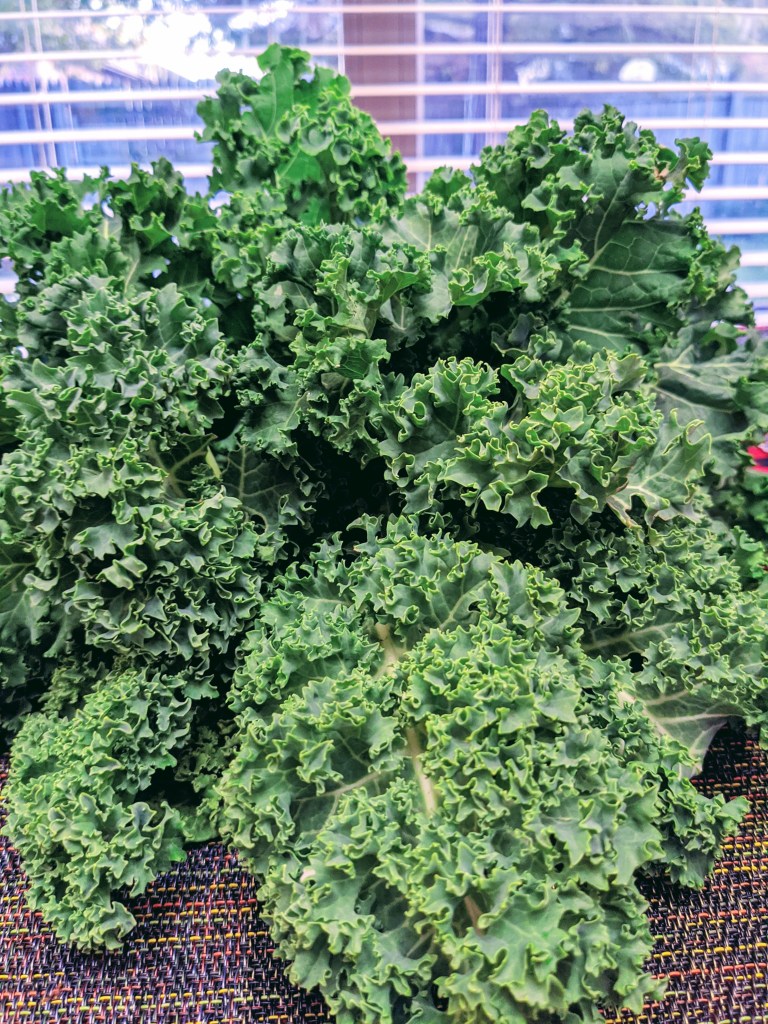
Hands down kale is one of my favorite vegetables ever since I was a child. I’m not sure how my love for this particular vegetable came about at such a young age but maybe eating it at least three times per week had something to do with it. If I was to speak for any of my Kenyan friends, I can confidently say that having kale or any greens (collards, spinach) for that matter as part of our diet was inevitable growing up. In Kenya, greens are cheap and therefore are an integral part of the diet. They are usually served as a side sauteed with onions, tomatoes, and cilantro to accompany ugali (white cornmeal and water mixed to a thick consistency). When kale rose to stardom in 2012, I was a bit shocked to say the least. I couldn’t comprehend how a vegetable that was a part of my life was just now becoming popular in western society. Don’t get me wrong I’m glad we can all enjoy the great benefits of this super green but sometimes I feel like I can’t honestly proclaim my love for kale without being side-eyed.
The price of kale is still economical even after it’s rise to fame. I remember when I used to buy a bunch of kale at $0.88 and now I pay $1.35 for a bunch but when I catch it on sale at $0.99 I make sure to stock up. Keep in mind prices may vary by location. When selecting kale, it is important to consider the method of preparation. If you’re going to eat it raw, choose baby kale but if packaged baby kale is not within your budget, you can still get bunched kale just make sure to look through and select the bunch with the most young greens. Mature kale leaves are fibrous, tough, and have a strong taste. To extend the life of kale, pick bunches with crispy and moist leaves and avoid ones with wilted and/or yellow leaves. From my experience, kale can keep up to a week before the leaves start to turn yellow.
Methods of Preparation
Wash kale leaves with water to remove sand and/or insects (insects and small worms are usually under the leaf). Hold each leaf by the stem with the leaf facing down and use your thumb and index finger to strip the leaf from the stem. Add some vinegar to water and soak the leaves for five minutes to remove pesticide residue.
I usually saute kale with onions, garlic, tomatoes, cilantro and season with salt and pepper. I also enjoy kale salads and my favorite recipe has apples (pink lady), cranberry raisins, glazed pecans and grilled chicken tossed with a vinaigrette or buttermilk ranch. For more ways or ideas on how I prepare kale, visit and follow my Instagram page @wholesomeflavor. Soon I will start uploading recipes here.
Nutrition Benefits
Vitamin K: Important for blood clotting. If you’re on a blood thinner, it is important to maintain a consistent intake of vitamin K.
Vitamins A (beta-carotene) & C: Antioxidants; counteract damage caused by free radicals.
Potassium: Heart health
Vitamin B6: Metabolism and immune function
Other minerals include: Manganese, copper, calcium, and magnesium
As always leave a comment below.
 Deliciously Wholesome
Love me some ugali and sukumawiki.
LikeLiked by 1 person
Yes, please!
LikeLike
I find that kale is pretty easy to grow too, and I am not skilled at gardening at all. Great post!
LikeLiked by 1 person
Same here. My green thumb is non-existent but I still strive to grow a portion of what we eat!
LikeLiked by 1 person
I’ll eat kale for any occasion, and yes I love the baby kale option for salads!
I can’t wait for next spring to prepare my garden again
LikeLiked by 1 person
Yes me too! Is there a specific type of kale you like to grow?
LikeLike